How to Choose Mine Reconciliation Software
Learn how to choose mine reconciliation software for accurate reporting, material tracking, data integration, variance analysis, and audit-ready production reports.
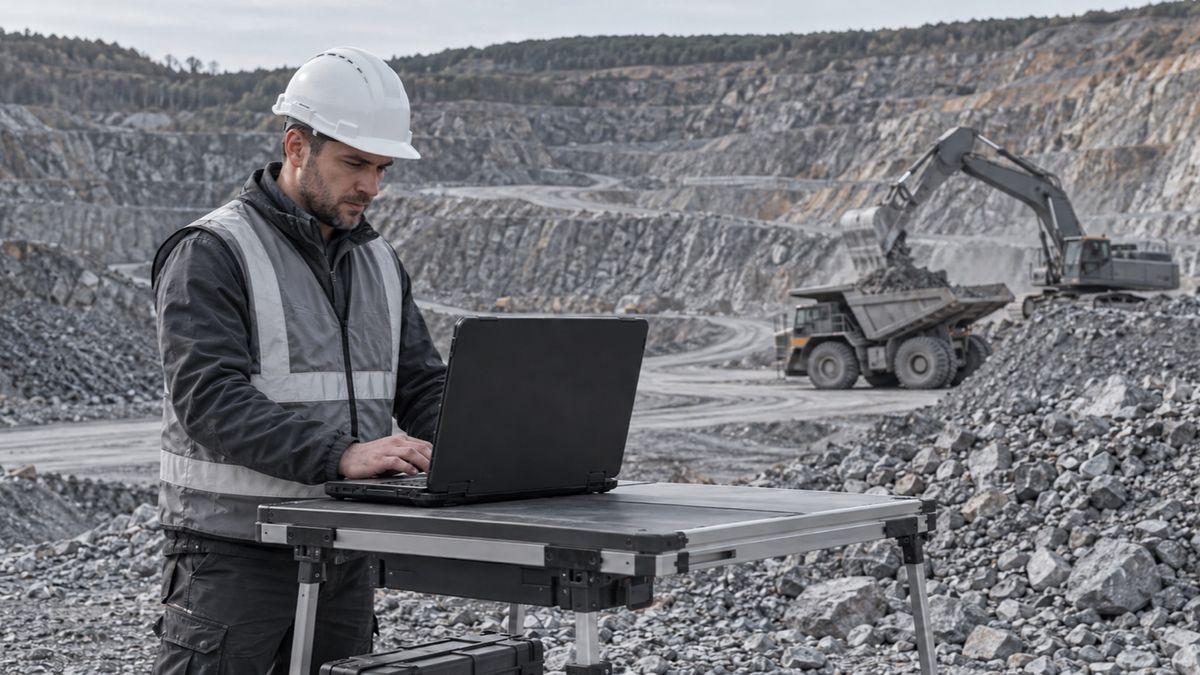
How to Choose Mine Reconciliation Software for Faster, More Accurate Reporting
Mine reconciliation becomes difficult when production, grade, stockpile, fleet, laboratory, and plant systems report different versions of the same result.
The mine plan may show that production is on target, while plant reports show an unexpected grade variance. Fleet records may confirm that material reached the correct destination, but stockpile records may not reflect the same movement.
When these records sit in separate spreadsheets and systems, identifying the source of a variance can take days. By the time the issue is resolved, the reporting cycle may already be delayed, and operational teams may have lost the opportunity to correct the problem.
The right mine reconciliation software connects these data sources, traces material movement, investigates production differences, and creates reports that technical, operational, and leadership teams can trust.
However, not every platform provides the same level of integration, accuracy, traceability, or reporting control. Choosing the right system starts with understanding what the operation needs to reconcile and how the software will fit into the wider mine technology environment.
What Is Mine Reconciliation Software?
Mine reconciliation software compares planned, predicted, measured, and actual production results across the mining value chain.
This may include comparisons between the resource model, reserve model, mine plan, grade control estimates, actual material movement, stockpile inventory, plant feed, laboratory results, and final production outcomes.
The purpose is not only to identify that a variance exists. A strong reconciliation process should help the mine determine where the difference originated, what caused it, and which team needs to respond.
This requires connected data from planning and operational systems. As explained in Why ERP Systems Alone Cannot Optimize Modern Mining Operations, storing business information is not the same as providing the operational context needed to explain what happened on site.
Why Spreadsheet-Based Reconciliation Becomes Difficult
Spreadsheets remain useful for smaller reconciliation workflows. Problems begin when the operation grows, more systems are introduced, and several departments start maintaining their own versions of production data.
Manual reconciliation often requires teams to import records, correct naming differences, remove duplicate entries, investigate missing information, and confirm which version of a report is current.
Spreadsheets may show the final variance, but they do not always make it easy to trace that variance through the mine plan, loading activity, haulage records, stockpile movement, plant feed, and laboratory results.
A dedicated platform creates a more controlled process by connecting source data, applying consistent validation rules, preserving change history, and helping teams investigate discrepancies without rebuilding the analysis every reporting period.
Start With the Reconciliation Workflow
Before comparing software platforms, document the current reconciliation process.
Identify which stages are included, which systems provide the data, how frequently reconciliation is completed, who validates the information, and where delays usually occur.
A mine focused on monthly resource-to-reserve reconciliation will have different requirements from an operation that needs frequent material tracking from the loading face to the processing plant.
The evaluation should begin with practical questions.
What information is difficult to verify? Where do unexplained grade or tonnage differences usually appear? Which reports take the longest to prepare? Which adjustments lack sufficient supporting evidence? How consistent are reconciliation methods across different sites?
Answering these questions prevents the operation from selecting software based only on an impressive demonstration or an extensive feature list.
Key Criteria for Evaluating Mine Reconciliation Software
Evaluation Area | What to Assess |
|---|---|
Data integration | Connections with mine planning, fleet, laboratory, survey, stockpile, and plant systems |
Data validation | Identification of missing, duplicate, delayed, or invalid records |
Material traceability | Ability to follow material from its source through stockpiles and plant feed |
Variance analysis | Ability to explain differences between planned, predicted, and actual results |
Reporting | Clear reports for technical, operational, corporate, and audit requirements |
Usability | Accessibility for geology, planning, operations, metallurgy, and leadership teams |
Multi-site capability | Consistent reporting with flexibility for individual site requirements |
Data Integration and Validation
Reconciliation depends on information from systems that were often implemented independently.
The software may need to connect with fleet management systems, geological models, mine planning platforms, grade control systems, survey data, laboratory systems, weighbridges, plant historians, and production reporting tools.
Ask vendors which connections are native, which require custom development, and how the platform responds when data is incomplete.
The software should identify missing haul records, duplicate equipment identifiers, invalid values, delayed feeds, and inconsistent material names before they affect the final report.
It should also preserve the original source record. Users must be able to see where a number came from, whether it was adjusted, who changed it, and why the change was required.
Material Tracking and Stockpile Visibility
Material traceability is central to mine-to-mill reconciliation.
The platform should help users follow material from the geological model and source location through loading, haulage, stockpile placement, reclaim activity, plant feed, and final production.
This becomes especially important when material is moved more than once or blended with material from another source.
A suitable platform should record source locations, timestamps, equipment identifiers, material classifications, estimated tonnage, grade attributes, stockpile destinations, and reclaim activity.
It should also flag material assigned to an unexpected location or information that cannot be matched with a valid stockpile.
Three-dimensional stockpile visualization can support investigation, but the underlying data is more important than the visual interface. The system must retain adjustments, rehandling activity, and differences between operational records and survey measurements.
Reconciliation and Variance Analysis
The platform should support the reconciliation methods already used by the mine while making those methods more consistent and traceable.
It may need to compare modelled tonnage against mined tonnage, predicted grade against actual grade, mine production against plant receipts, and stockpile movement against measured inventory changes.
The system should help teams separate geological variance from operational variance. It should also distinguish issues caused by dilution, ore loss, material misclassification, moisture differences, stockpile movement, blending, survey adjustments, or missing records.
A useful platform allows users to move from a high-level variance to the affected reporting period, source location, equipment record, stockpile, or plant measurement.
This connected view is also important when evaluating the difference between isolated fleet visibility and broader operations intelligence. HonestDig explains this distinction in Mining Fleet Management Software vs Mine Operations Intelligence.
Reporting and Auditability
Reconciliation reports need to work for different audiences.
Technical services teams may require detailed factor analysis and source records. Mine managers may need a concise explanation of the largest production variances. Corporate teams may need standardized comparisons across several sites.
The software should provide planned-versus-actual reporting, tonnage and grade variance reports, stockpile movement reports, period comparisons, investigation notes, approval workflows, and a complete change history.
Every important figure should be traceable. A reviewer should be able to identify the source system, original value, adjustment, reason for the adjustment, user responsible, and approval status.
Run a Pilot With Real Site Data
A software demonstration usually uses clean and predictable data. A meaningful pilot should use actual mine information.
Select a reporting period that includes missing records, delayed laboratory results, stockpile rehandling, material reclassification, or differences between planned and actual production.
The pilot should confirm whether the platform can import the information, detect data-quality problems, preserve source records, reproduce the existing reconciliation logic, trace major variances, and generate useful reports.
Include users from geology, planning, survey, operations, metallurgy, processing, and leadership. A platform that works for one department but creates more work for another will struggle to gain adoption.
Connecting Reconciliation With Mine Operations
Mine reconciliation software explains how planned and actual production results differ. Its value increases when it connects with the systems responsible for creating those outcomes.
Fleet data explains material movement. Equipment information provides context around interruptions. Planning data establishes the expected result. Plant data confirms what entered processing. Reconciliation data then shows where those records separated.
AIM by HonestDig connects operational information across the mine to create a more unified view of execution.
The Guaranteed Production Throughput solution supports production visibility, while Predictive Site Resilience helps mining teams identify operational disruptions earlier.
The best mine reconciliation software is not simply the platform with the most features. It is the platform that connects the mine’s actual systems, protects data traceability, supports accepted reconciliation methods, and helps teams understand why production results differ from the plan.
Frequently Asked Questions
What is mine reconciliation software?
Mine reconciliation software compares planned, modelled, measured, and actual production data across the mining value chain. It helps teams investigate differences in tonnage, grade, stockpile inventory, material movement, plant feed, and final production.
What is the difference between mine reconciliation and metal accounting?
Mine reconciliation compares predicted and actual mining results across the resource model, mine plan, grade control, material movement, stockpiles, and plant feed. Metal accounting focuses more specifically on tracking contained metal through processing and final production.
Can mine reconciliation software integrate with existing mine systems?
Many platforms support connections through APIs, databases, middleware, and structured file imports. Integration depth varies, so the platform should be tested using the mine’s actual planning, fleet, laboratory, survey, and plant information.
Can mine reconciliation software replace spreadsheets?
It can reduce dependence on spreadsheets for data import, validation, comparison, and reporting. Some teams may continue using spreadsheets for additional analysis, but the primary reconciliation process should remain controlled and traceable.
What features are most important in mine reconciliation software?
The most important features include data integration, validation rules, material traceability, stockpile management, variance investigation, planned-versus-actual reporting, audit trails, approval workflows, and multi-site reporting.
How should a mine evaluate reconciliation software?
Run a pilot using actual site data and a reporting period containing real operational complexity. Evaluate how the platform manages missing records, data validation, stockpile movement, variance investigation, reporting, assumptions, and approvals.