Mining ERP Systems Need Operations Intelligence
Learn why mining ERP systems need an operations intelligence layer to connect enterprise records with real-time fleet, fuel, maintenance, workforce, and site execution.
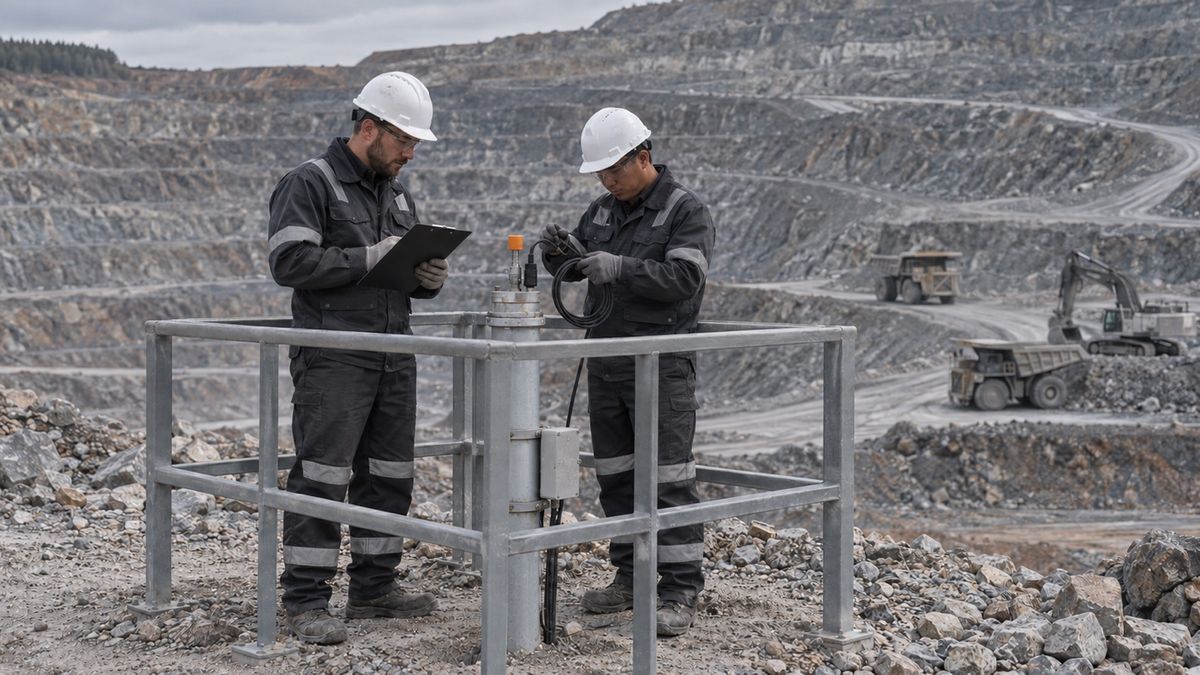
Why Mining ERP Systems Need an Operations Intelligence Layer for Real-Time Execution
Mining ERP systems are essential for enterprise control.
They help mining companies manage finance, procurement, inventory, compliance, asset records, workforce data, and reporting. For corporate teams, ERP creates structure, accountability, and a reliable system of record.
But ERP was not built to control live mining execution.
A mine does not lose value only because a purchase order is delayed or a cost center is updated late. It loses value when trucks wait, fuel is wasted, equipment risks spread, workforce readiness is unclear, and supervisors act with incomplete information during the shift.
That is not an ERP problem alone.
It is an operational control problem.
This is where AIM by HonestDig fits. AIM is built as a mining operations intelligence platform that connects fleet, fuel, maintenance, workforce, safety, reporting, and site activity into one real-time execution layer.
ERP as the System of Record in Mining
ERP systems are valuable because they organize enterprise data.
They help mining companies manage purchasing, finance, inventory, vendor records, maintenance history, workforce data, and compliance documentation. This makes ERP important for governance, auditability, planning, and financial control.
However, ERP usually works best after an event is recorded.
It can show what was purchased, consumed, planned, invoiced, reconciled, or reported. But it may not show what is happening right now in the pit, on the haul road, at the fuel point, or across the active shift.
That creates the execution gap.
ERP records the business. Operations intelligence controls the execution.
Why ERP Alone Cannot Control Real-Time Mining Operations
Modern mining operations move faster than ERP workflows.
A dispatch decision can affect fuel burn. Fuel burn affects cost per tonne. Maintenance readiness affects fleet availability. Workforce gaps affect task execution. Safety alerts affect site continuity. Reporting delays affect leadership decisions.
These conditions change during the shift.
If teams wait for ERP updates, spreadsheet reconciliation, or post-shift reports, the loss has already happened. Research around ERP latency shows that many enterprises still lack instant access to ERP data, and organizations can lose thousands of hours every year waiting for usable data.
This is why mining teams need an operations intelligence layer that connects real-time site signals with immediate action.
For related context, read HonestDig’s blog on ERP systems in mining.
Mining ERP vs Operations Intelligence Layer
Area | Mining ERP System | Operations Intelligence Layer |
|---|---|---|
Primary role | System of record | System of action |
Main focus | Finance, procurement, inventory, compliance, workforce records | Fleet, fuel, maintenance, workforce, safety, and site execution |
Timing | Post-event, workflow-based, or periodic | Real-time and shift-level |
Main users | Finance, procurement, HR, leadership, compliance | Site leaders, dispatchers, supervisors, maintenance, operations |
Value | Enterprise structure and accountability | Operational control and performance recovery |
Limitation | May not capture live site conditions fast enough | Needs ERP connection for enterprise context |
The goal is not to replace ERP.
The goal is to connect ERP with the real-time operating layer where losses actually form.
Short Interval Control Needs a Real-Time Execution Layer
Short interval control is built around a simple idea: mining teams should not wait until the end of the shift to understand performance gaps.
They need to compare plan versus actual performance during the shift and correct deviations before they become missed daily targets.
ERP can support planning and records, but it is not usually the system that manages 15-minute, 30-minute, or hour-by-hour execution. Operations intelligence fills that gap by connecting plans, equipment status, workforce readiness, maintenance signals, and production progress into one active view.
Industry research often links stronger short interval control with productivity gains of 10% to 20% and meaningful reductions in unplanned downtime. The exact result depends on site maturity, data quality, and adoption, but the direction is clear: faster feedback improves operational control.
Fleet, Fuel, and Maintenance Need Live Context
ERP may hold asset records, inventory data, purchase orders, and maintenance history. But site performance depends on what is happening now.
A truck may be assigned but stuck in a queue. A part may exist in inventory but not be ready for the repair window. Fuel may be recorded but waste may be building because of route behavior and idling. An asset may be marked available, but early health signals may already show production risk.
This is why Guaranteed Production Throughput connects fleet management, dispatch, fuel management, and inventory readiness into one performance system.
Throughput is not created in ERP. It is created in execution.
Downtime Needs More Than ERP Maintenance Records
Downtime is not just a maintenance record.
It becomes expensive when equipment health, dispatch planning, spare parts, workflows, and production priorities are disconnected.
Critical Asset | Potential Daily Failure Cost |
|---|---|
Processing mills | $200,000 to $800,000 |
Primary crushers | $100,000 to $500,000 |
Excavators or shovels | $75,000 to $300,000 |
Large haul trucks | $50,000 to $200,000 |
Conveyor systems | $25,000 to $150,000 |
ERP can help track maintenance orders and inventory. But mining teams also need to know which truck assignments should change, which production target is at risk, which response workflow should trigger, and which team needs to act first.
AIM’s Predictive Site Resilience supports earlier response by connecting assets, alerts, workflows, and site activity into one operating view.
For supporting context, read HonestDig’s blog on reducing unplanned equipment downtime in mining.
Real-Time Cost per Tonne Requires Execution Data
A mining ERP can report costs. But real-time cost control needs execution data.
A useful operating view connects direct labor, fuel, consumables, maintenance, and energy with total ore processed.
Cost per tonne = Direct labor + Fuel + Consumables + Maintenance + Energy / Total ore processed
When this logic is connected to live operations, teams can see cost movement earlier. A route delay, fuel spike, maintenance issue, or labor gap is no longer just an operational event. It becomes a measurable cost-per-tonne risk.
That is the value of an operations intelligence layer.
Workforce Execution Cannot Stay Separate From ERP
ERP and HR systems may store worker records, payroll data, roles, and compliance information.
But shift execution depends on live readiness.
The mine needs to know whether the right workers are present, whether required certifications are active, whether task assignments match site demand, whether safety alerts affect deployment, and whether workforce gaps are creating production delay.
AIM’s Autonomous Workforce Governance connects workforce readiness, task allocation, safety, compliance, and site execution with live operations.
Workforce control cannot sit outside operational control.
IT/OT Convergence Requires an Intelligence Layer
Mining ERP sits on the business side of the organization. Fleet systems, sensors, equipment telemetry, safety systems, and control systems sit closer to the operational edge.
Operations intelligence acts as the bridge between IT and OT. It converts field signals into operational decisions, while still allowing ERP to remain the system of record.
This matters because mining sites are harsh, fast-moving environments. Connectivity may be inconsistent, equipment data may be noisy, and decisions often need to be made before enterprise workflows catch up.
Why Mining ERP Systems Need AIM as the Execution Layer
Mining ERP systems remain important. They provide structure, financial control, and enterprise governance.
But modern mining operations need more than records.
They need real-time operational control.
AIM by HonestDig is built for this gap. It connects fleet, fuel, maintenance, workforce, safety, reporting, and site activity into one intelligence layer so mining teams can act before losses spread across the operation.
See where ERP records end and operational losses begin, and how AIM helps connect execution with measurable performance.
Frequently Asked Questions
What is the role of ERP in mining?
ERP helps mining companies manage finance, procurement, inventory, compliance, asset records, workforce data, maintenance records, and enterprise reporting.
Why is ERP not enough for real-time mining operations?
ERP is usually a system of record. It may not provide live dispatch, fuel, maintenance, workforce, safety, and site execution control during the shift.
What is an operations intelligence layer in mining?
An operations intelligence layer connects live site data across fleet, fuel, maintenance, workforce, safety, and reporting so teams can act before losses spread.
What is the difference between ERP and operations intelligence?
ERP records and organizes enterprise data. Operations intelligence connects real-time site signals with decisions and action during execution.
Should AIM replace mining ERP systems?
No. AIM should work alongside ERP. ERP manages enterprise records, while AIM supports real-time operational execution and control.
How does AIM support mining ERP systems?
AIM connects real-time operational signals with fleet, fuel, maintenance, workforce, safety, and reporting, helping mining teams bridge the gap between enterprise records and live site performance.