Legacy Fleet Management Software Limitations in Mining
Learn where legacy fleet management software falls short in modern mining operations, from fragmented visibility to delayed dispatch, fuel leakage, and disconnected maintenance data.
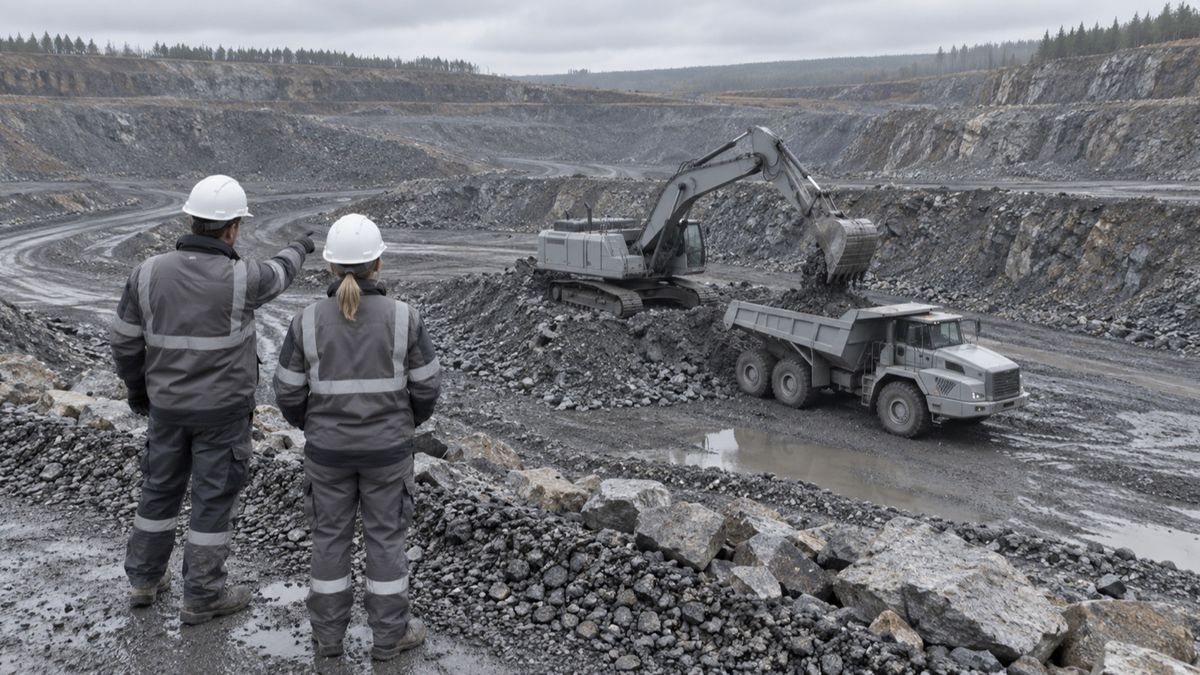
Legacy Fleet Management Software Limitations in Modern Mining Operations
Legacy fleet management software has helped mining operations track equipment, assign trucks, monitor haul cycles, and report production activity for years.
That value still matters.
But modern mining operations have moved beyond basic fleet visibility. Mines now need connected control across fleet, fuel, maintenance, workforce, safety, inventory, and site activity.
A truck may appear active on a dashboard and still lose productive time because the loader is delayed, the route is congested, the refueling window is poorly timed, or a maintenance signal has not reached the right team.
The problem is not that fleet management software has no value.
The problem is that legacy systems often show what is happening without helping teams control why it is happening.
This is where AIM by HonestDig changes the operating model. AIM is built as a mining operations intelligence platform that connects assets, crews, fuel behavior, maintenance signals, safety alerts, and workflows into one control layer.
Why Legacy Fleet Management Software Falls Short in Mining
Traditional fleet management systems were built around dispatch, tracking, production monitoring, and equipment movement.
These functions are useful, but they often remain centered on the fleet itself. Modern mine performance depends on a wider system.
Idle time, fuel waste, downtime, workforce gaps, safety risks, and production delays are rarely isolated issues. They are connected problems caused by disconnected operations.
Legacy infrastructure also creates a financial burden. Industry research shows enterprises can spend 60% to 80% of IT budgets simply maintaining legacy systems, leaving far less room for innovation and improvement.
For related context, read HonestDig’s blog on real-time operational intelligence in mining.
Fragmented Visibility Across Mining Operations
One of the biggest limitations of legacy fleet management software is fragmented visibility.
Fleet data may sit in one system. Maintenance data may sit somewhere else. Fuel records may be reviewed separately. Workforce readiness may be handled through HR or manual shift planning. Safety alerts may not connect with dispatch decisions.
The technical issue often goes deeper. Many mixed fleets depend on OEM-specific data structures, including proprietary J1939 messages, which can limit how easily machine data flows across systems. When that data stays locked inside separate tools, the mine loses one clear operating view.
AIM’s Guaranteed Production Throughput connects fleet management, dispatch, fuel management, and inventory readiness so throughput is managed as a system-level outcome, not only as a fleet metric.
Delayed Dispatch Decisions and Haul Cycle Losses
Legacy fleet management software can support dispatch decisions, but many systems still depend heavily on fixed rules, manual intervention, and post-shift reporting.
That slows response.
By the time a queue is visible, the loss has already started. By the time idle time is reported, fuel has already been burned. By the time cycle delay is reviewed, production has already been affected.
Modern mining operations need dispatch decisions that respond to live conditions, including loader performance, route congestion, fuel timing, maintenance readiness, equipment health, and production priority.
Research shows that reducing cycle time variability can reduce truck queue time by up to 10% and increase ton-miles per hour by up to 29%. This is why AI-driven dispatch in mining matters. The goal is not just faster truck assignment. The goal is better coordination across the full haulage system.
Fuel Leakage Beyond Basic Fuel Tracking
Fuel loss is not only a fuel measurement problem.
It is an operational control problem.
Legacy systems may record fuel usage, but they may not connect fuel waste to the decisions that caused it. Poor routing, long queues, unnecessary idling, delayed assignments, and badly timed refueling all increase fuel cost.
In legacy environments, paper-based or manual fuel logs can create 50% to 60% discrepancy rates. Excessive idling can also contribute to 10% to 15% of total fuel consumption without adding productive output.
If fuel is reviewed only after the shift or at the end of the month, the operation is already late.
HonestDig’s blog on mining fuel cost reduction software explains this clearly: fuel is not lost only in tanks. It is lost in decisions.
Disconnected Maintenance Data and Downtime Risk
Downtime is often treated as a maintenance problem.
In reality, downtime becomes expensive when maintenance data is disconnected from dispatch, production, parts readiness, and site response.
A legacy fleet system may show that a machine is unavailable. But mining teams also need to know which truck assignments must change, which production target is at risk, which spare part or service delay is creating the bottleneck, and which team needs to act first.
Research indicates that more than 78% of equipment failures can originate from preventable issues that telematics may catch weeks in advance. Predictive strategies can also reduce downtime significantly when maintenance and operations share one operating view.
AIM’s Predictive Site Resilience supports earlier response by connecting assets, alerts, workflows, and site activity into one control layer.
For supporting context, read HonestDig’s blog on reducing unplanned equipment downtime in mining.
Workforce and Safety Gaps in Legacy Fleet Systems
Fleet performance depends on people as much as machines.
A mine can have trucks available, but still lose performance if the right workers, skills, certifications, safety conditions, or task assignments are not aligned with the shift plan.
Legacy fleet systems often do not fully connect workforce readiness with live operational demand.
AIM’s Autonomous Workforce Governance connects workforce planning, task allocation, safety, compliance, and shift execution with live site activity.
Workforce control cannot sit outside operational control.
Legacy Fleet Management vs Mining Operations Intelligence
Area | Legacy Fleet Management Software | Mining Operations Intelligence |
|---|---|---|
Main focus | Fleet tracking and dispatch | Connected site-wide control |
Visibility | Fleet activity | Fleet, fuel, maintenance, workforce, safety, and reporting |
Decision timing | Often reactive or report-led | Real-time decision support |
Fuel control | Usage tracking | Fuel behavior linked to operating decisions |
Maintenance | Equipment status | Maintenance signals linked to production risk |
ROI impact | Fleet utilization | Throughput, fuel control, uptime, response speed, and workforce execution |
Why Mining Operations Intelligence Is the Next Step
Legacy fleet management software still has a role in mining. It helps teams understand equipment movement, fleet utilization, dispatch activity, and production flow.
But modern mines need more than visibility.
They need connected operational control.
AIM by HonestDig is built for that shift. It connects fleet, fuel, maintenance, workforce, safety, reporting, and site activity into one intelligence layer so mining teams can act before losses spread across the operation.
See where fleet delays, fuel leakage, downtime, and workforce gaps are affecting your operation, and how AIM can help recover performance in real time.
Frequently Asked Questions
What is legacy fleet management software in mining?
Legacy fleet management software refers to systems that mainly support fleet tracking, dispatch activity, equipment movement, haul cycle monitoring, and production reporting.
What are the main limitations of legacy fleet management software?
The main limitations include fragmented visibility, delayed dispatch decisions, disconnected maintenance data, limited fuel control, and weak connection with workforce and safety workflows.
Why is fleet visibility not enough for modern mining operations?
Fleet visibility shows what is happening with mobile equipment. Modern mines also need to know why performance is being lost and what action should be taken in real time.
How does mining operations intelligence improve fleet management?
Mining operations intelligence connects fleet, fuel, maintenance, workforce, safety, reporting, and site activity into one control layer so teams can manage performance as a system.
How does AIM help overcome legacy fleet management limitations?
AIM connects operational signals across fleet, fuel, maintenance, workforce, safety, and reporting so mining teams can identify losses earlier and act before they spread.